
The Swedish Kitchen
Eat like a viking
Meatballs, smörgåsbord, sandwich cake, cinnamon buns, fermented herring – and, of course, the Swedish Chef from The Muppet Show. That may be what comes to mind when people think of Swedish food, but there is so much more to the Swedish kitchen.
Traditionally built around fish, meat, grains, dairy, root vegetables and whatever could be preserved for the long winter, Swedish cooking has constantly evolved through trade, migration, war and travel.
Here I share the traditional dishes I grew up with, regional Swedish food, old recipes worth keeping alive, and the food that is actually cooked and eaten in Swedish homes today.
About
tHE sWEDISH kITCHEN
For most of history, Swedish cooking was shaped by a simple fact: people ate what the land, forests and waters could provide, and found ways of making it last.
Sweden is a long country, stretching from the fertile farmland of the south to the forests, mountains and subarctic landscapes of the north. Climate, soil and access to the sea, lakes and rivers created strong regional differences in what people grew, caught, hunted and ate.
Fish, meat, grains, dairy products and root vegetables became staples in much of the country. Berries, mushrooms and wild plants supplemented what could be grown or raised. Just as important was preservation. Food had to survive the long Swedish winter, so people salted, dried, smoked, fermented and pickled what was available.
But Swedish food has never developed in isolation.
For more than a thousand years, trade, migration, travel, religion and war have brought new ingredients and ideas to Sweden. Viking Age Scandinavians travelled and traded across enormous distances. During the Middle Ages, Christianity and the monasteries introduced new customs and helped spread the cultivation and use of different herbs and plants. Trade with the Hanseatic cities connected Sweden more closely with continental Europe and made imported goods and spices increasingly available.
That process never stopped.
Later generations of Swedes embraced ingredients and dishes from across Europe and eventually the world. Immigration brought new food traditions, while foreign travel, television, restaurants and changing shopping habits introduced Swedish households to still more.
Pizza and pasta became everyday food. Kebab found a permanent place in Swedish towns and cities. Thai food became enormously popular. And few things illustrate the Swedish talent for adopting and adapting foreign food quite as well as the now almost sacred tradition of Friday tacos.
If you’re looking for Swedish food and recipes, you’ll find both the old and the new here.
That is the Swedish kitchen I want to explore here.


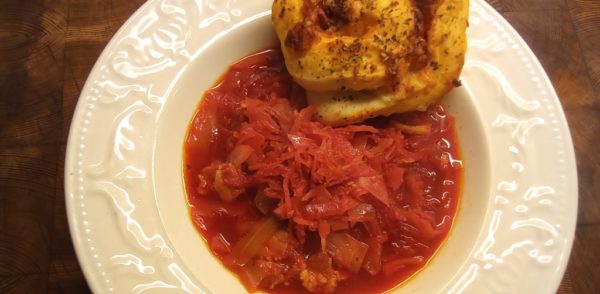

Swedish Food and Recipes
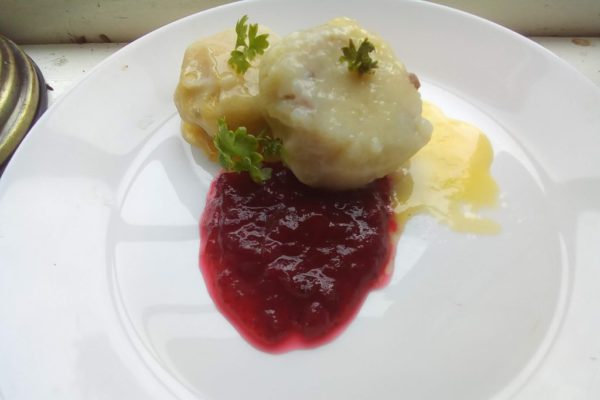
Traditional
Traditional Swedish cooking grew out of what was locally available and what could be stored for the winter. Many dishes are simple and economical, but some require something modern life doesn’t always provide: time.
Here you’ll find traditional recipes as they were meant to be cooked, along with sensible shortcuts when they work without sacrificing the character of the dish.

Modern
Swedish home cooking never stood still.
Today’s dinner table is as likely to feature pasta, tacos, curry or pizza as meatballs and potatoes. Some dishes arrived from elsewhere and were adopted almost unchanged; others have been adapted so thoroughly that they have become distinctly Swedish.
This is the food you’ll find in Swedish homes today.

Substitutes
Some Swedish ingredients are surprisingly difficult to find outside Scandinavia – and sometimes even outside a particular part of Sweden.
Here I explain the ingredients I use, what they are and what they contribute to a dish. When the real thing isn’t available where you live, I’ll suggest substitutes that actually work rather than simply telling you to leave it out.